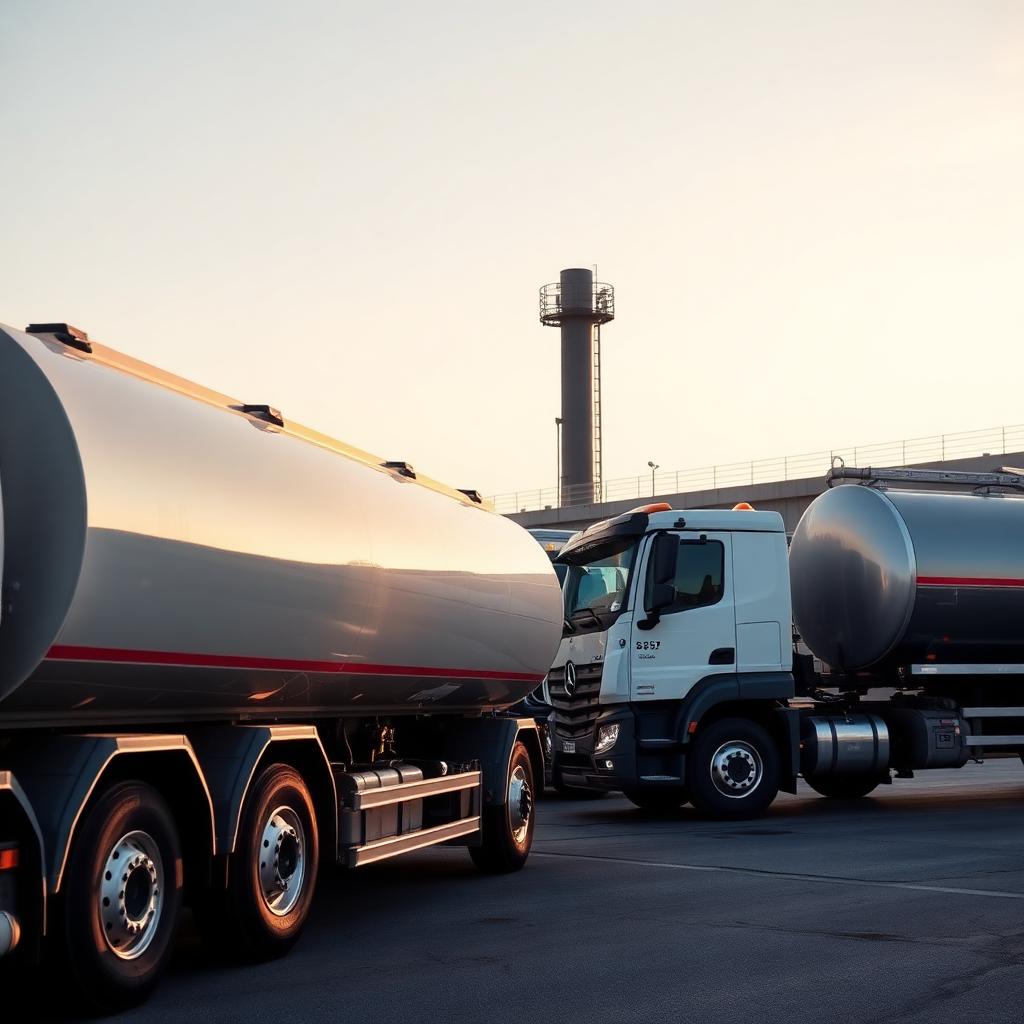
In fuels distribution, the distance between an order and a delivered load is measured in hours, and every manual step in that window is a chance to ship late, ship wrong, or ship at yesterday's price.
Map the real order-to-delivery path first
Before automating anything, walk the actual path a fuel order takes from placement to confirmed delivery, including the exceptions, credit holds, allocation shortfalls, price changes, driver reassignments.
Teams routinely automate the happy path and leave the exceptions to manual heroics, which means automation helps least on the busiest days. The exceptions aren't edge cases in fuels distribution; they're a large share of the volume, and they deserve first-class design.
Automate the decisions, not just the data entry
Simple field automation saves keystrokes. The real gains come from automating decisions: which orders can auto-confirm, when a credit hold should block a load, how to react when requested volume exceeds allocation.
Encode these rules where the business can see and adjust them, Flow and validation logic rather than buried Apex where practical, so the policy is visible and changeable. When rules are transparent, ops can tune them as the market moves instead of filing a development ticket.
Respect pricing that changes intraday
Fuel prices move during the day, and an order confirmed at a stale price is margin walking out the door. Your automation has to pull the right price at the right moment and make it clear which price a given order locked.
This is less about clever tooling and more about deciding, deliberately, when price is captured and how changes are handled between order and delivery. Get that decision explicit and most pricing disputes disappear.
Keep dispatch and the office looking at the same data
Dispatch often runs on its own board while sales and service run in Salesforce, and the two drift apart within hours. You don't necessarily need dispatch to live inside Salesforce, but order status, delivery confirmation, and quantities do need to reconcile.
Otherwise you'll be arbitrating between two systems that both claim to be right. Decide where each fact lives and how it flows, so a delivered load looks delivered everywhere.
Build for speed under load
A dispatch system that's pleasant with ten orders and unusable with two hundred has failed at its actual job. Design the screens and automation around peak volume, not the demo.
That means fewer clicks per order, sensible defaults, and list views built for someone processing loads quickly, not a form built for someone entering one order carefully. Optimize for the busy Tuesday, not the quiet walkthrough.
Don't automate what you can't monitor
Every automated step needs a way to see when it didn't fire. An auto-confirmation that silently skips an order, a dispatch trigger that quietly failed, these surface as an angry customer, not an error message, unless you build the visibility in.
Give ops a clear view of orders stuck in each stage so a human can step in before the delivery window closes. Automation without monitoring just moves the failure somewhere quieter.
The takeaway
Order and dispatch automation for fuels distribution pays off when you design for the exceptions, automate the decisions rather than just the typing, and respect intraday pricing. Keep the rules visible so ops can tune them, reconcile status across dispatch and the office, and build for peak load. Native Salesforce configuration handles most of this, the discipline is in mapping the real workflow before automating it, not in the tooling you reach for.